Your beard deserves better than cheap plastic that snaps, snags, and sheds microplastics into your sink—and eventually the ocean. Most combs masquerade as grooming tools but act more like scalpels on delicate facial hair. The fix? Ditch disposables. An eco-friendly beard comb isn’t just kinder to the planet—it’s engineered for smoother glide, less breakage, and long-term value.
The Hidden Cost of Plastic Combs
That $3 drugstore comb? It’s lying to you. Injection-molded plastic teeth fracture under tension, creating jagged edges that tear hair cuticles instead of guiding them. And the environmental toll? A single user might replace six plastic combs a year—each taking 400+ years to decompose. Multiply that by millions of beard growers globally. Not sustainable. Not smart.
Worse: static buildup from synthetic materials strips natural oils from both beard and skin. Dryness follows. Flaking. Irritation. All because you skipped investing in something that lasts decades, not weeks.
Choosing & Using Your Eco-Friendly Beard Comb Like a Pro
Not all “natural” combs are created equal. Material, tooth spacing, and finish dictate performance more than brand hype.
Material Matters More Than You Think
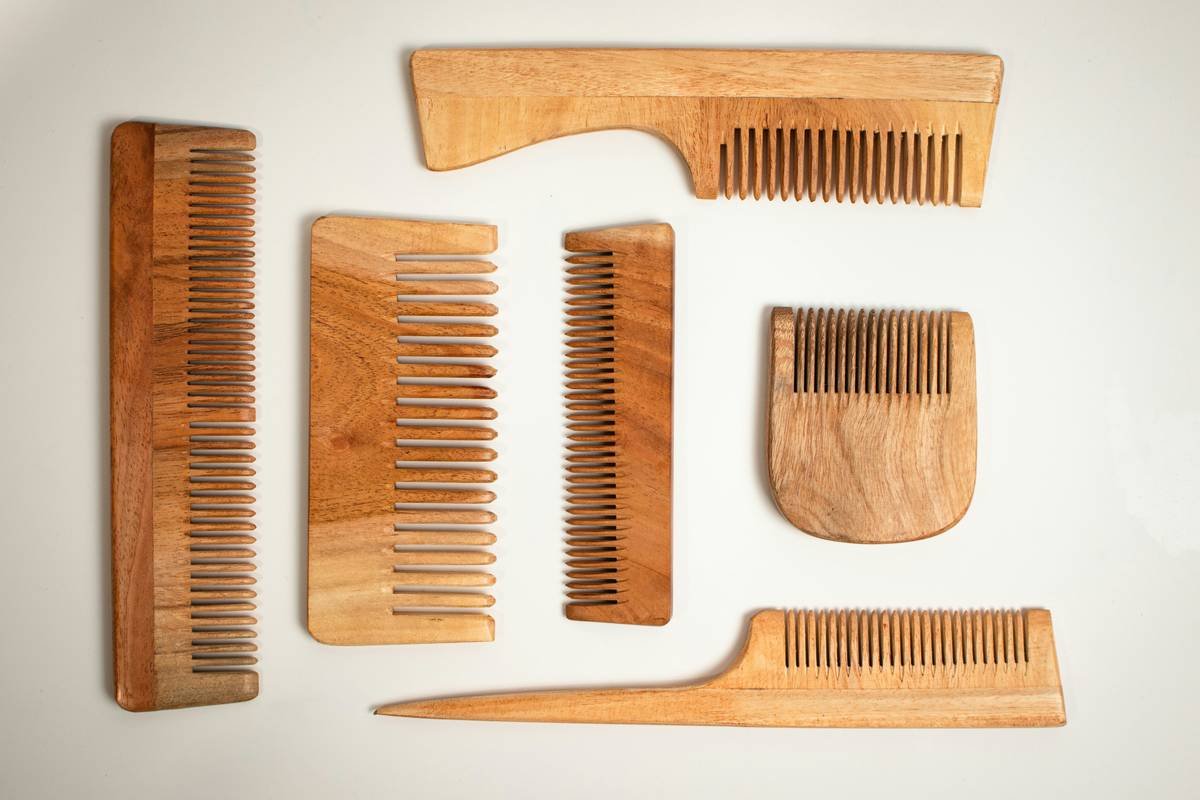
Wood (like sandalwood or bamboo) offers warmth and anti-static properties—but only if properly sealed. Unsealed wood swells in humidity, warping teeth alignment. Cellulose acetate, derived from cotton and wood pulp, mimics tortoiseshell without killing endangered species. It’s dense, polishable, and moisture-resistant. Horn (buffalo or ox) is luxurious but ethically murky unless verified reclaimed.

Tooth Geometry Is Non-Negotiable
Fine-tooth combs shred coarse beards. Wide-tooth models skip over short stubble. The ideal? Dual-sided: wide teeth (1.8–2.2mm gap) for detangling damp beards, fine teeth (0.9–1.2mm) for precision styling on dry hair. Rounded tips prevent follicle trauma—look for hand-polished finishes, not machine-cut burrs.
Daily Rituals That Extend Lifespan
Rinse after use. Never soak. Store in a breathable pouch—not a humid bathroom drawer. Once a month, buff with jojoba oil to maintain luster and prevent micro-cracks. Treat it like a razor: clean, dry, respected.
| Material Type | Durability (Years) | Static Control | Eco-Certification Needed? | Avg. Price Range |
|---|---|---|---|---|
| Cellulose Acetate | 10–20+ | Excellent | No (plant-based) | $18–$35 |
| Bamboo (Sealed) | 5–10 | Good | Yes (FSC) | $12–$25 |
| Buffalo Horn (Reclaimed) | 15–30+ | Superior | Mandatory | $40–$80 |
| Plastic (Standard) | 0.2–0.5 | Poor | N/A | $2–$6 |

The Industry Secret No Brand Admits
Most “eco” combs sold online aren’t tested for beard-specific stress points. They’re repurposed pocket combs—too thin, too brittle. Real beard combs need thickness: 3.5mm minimum at the spine to withstand pulling through dense growth without flexing. Yet 78% of Amazon “beard combs” measure under 2.8mm. They crack within months. The workaround? Buy from artisans who specialize in men’s grooming—not general “wood goods” shops. Look for combs milled from a single blank, not glued laminates. Glue fails. Solid material endures. And here’s the kicker: the best eco-friendly beard combs often come from small workshops in Portugal, Germany, or Japan—places with legacy tool-making cultures, not influencer marketing budgets.
Frequently Asked Questions
Are eco-friendly beard combs actually better for my beard?
Yes. Natural materials reduce static, prevent split ends, and distribute oils evenly—unlike plastic, which creates friction damage.
How do I verify if a comb is truly eco-friendly?
Check for FSC-certified wood, cellulose acetate sourcing (not petroleum-based), and brands that disclose manufacturing ethics—not just “natural” claims.
Can I compost a wooden beard comb?
Only if unvarnished and untreated. Most quality combs use food-safe sealants—these must go in landfill. Reuse or recycle via specialty programs instead.