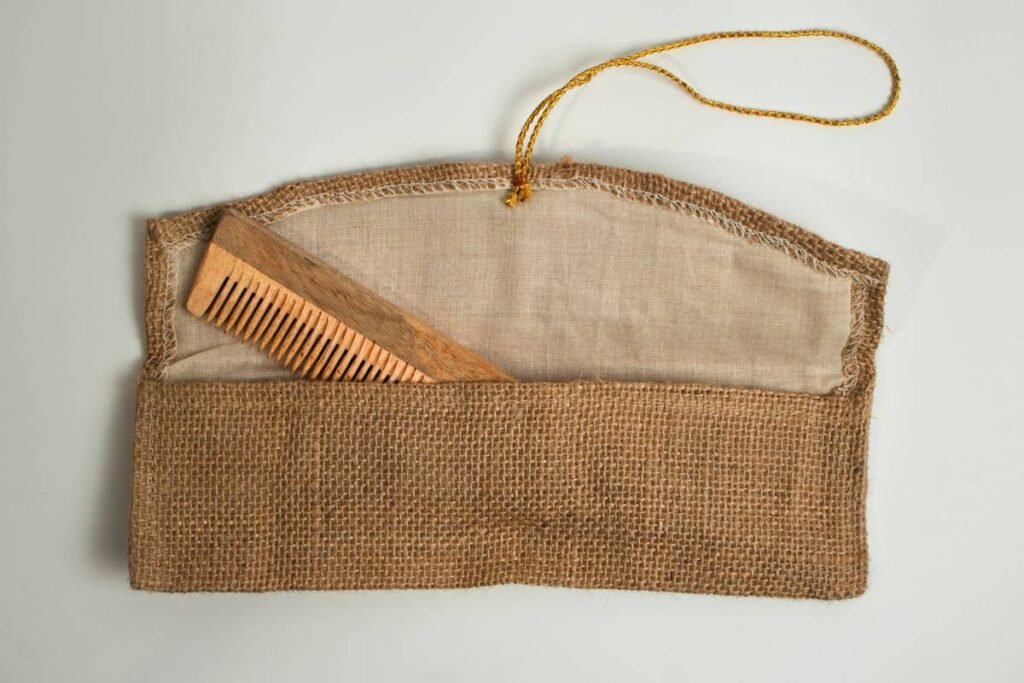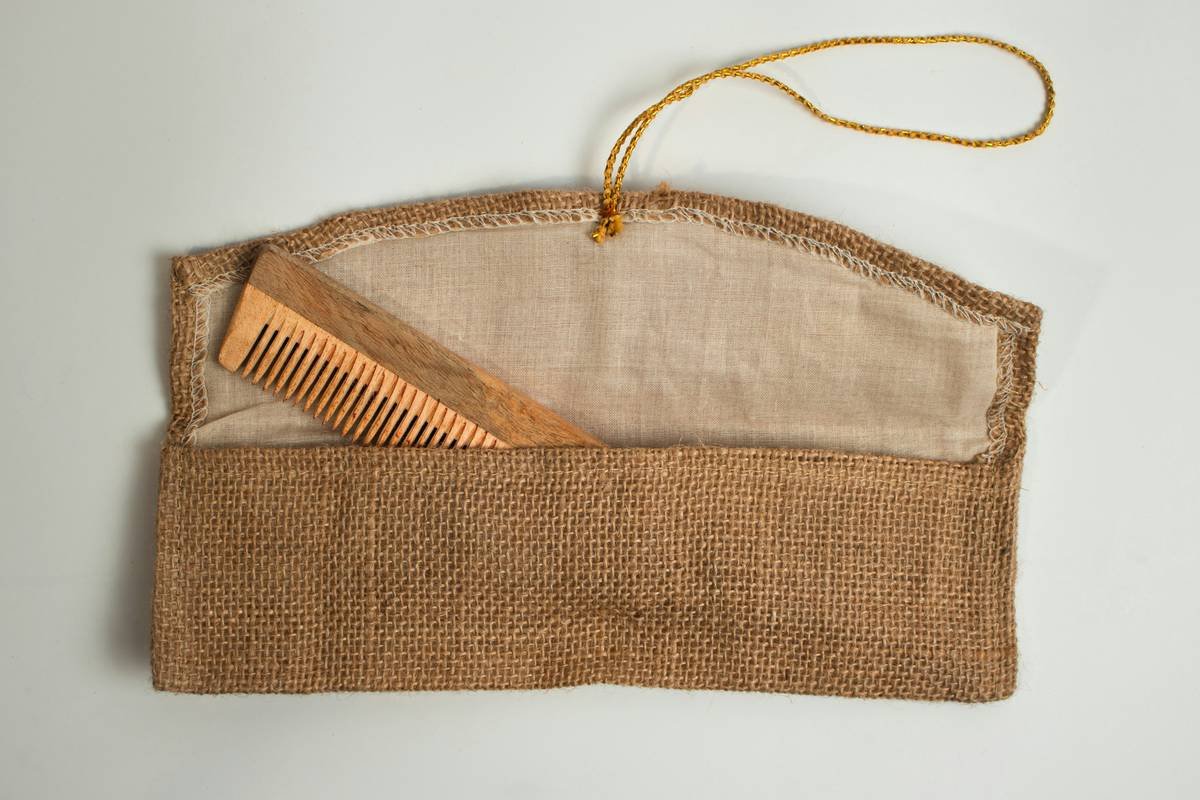
Your beard snaps. Not metaphorically—it literally breaks when you comb it. You see stray white-tipped hairs on your shirt, in the sink, on your pillow. Most guys blame dryness or age. But here’s the truth: cheap, poorly designed combs are the silent culprits behind beard breakage. An anti-breakage beard comb isn’t a luxury—it’s damage control disguised as grooming.
The Core Problem: Why Standard Combs Sabotage Your Beard
Plastic combs? They’re brittle. Their teeth snag coarse hairs like fishing hooks. Cellulose acetate might sound fancy, but if the tooth spacing is wrong—or edges aren’t polished—you’re just sawing through keratin strands. And metal? Great for precision, terrible for tugging if bent even slightly.
Beard hair is up to 3x thicker than scalp hair. It grows in multiple directions, coils unpredictably, and resists uniform tension. Force a blunt-toothed comb through that chaos? You’ll fracture the cuticle layer—permanently weakening each strand. Breakage isn’t inevitable. It’s engineered by bad tools.
How to Choose & Use an Anti-Breakage Beard Comb (Without Wasting Money)
Tooth Spacing Matters More Than Material
Wide teeth glide through thick beards without catching. But “wide” is relative. For stubble or short beards (<1 inch), medium-fine spacing prevents clumping. For long, dense beards? Go wide—but never jagged. Rounded tips distribute pressure evenly. Sharp points concentrate stress. Physics wins every time.
Polished Edges Are Non-Negotiable
Run your thumbnail along the comb’s teeth. Feel any drag? That’s micro-abrasion waiting to happen. High-end combs undergo hand-polishing or laser smoothing. Skip anything mass-produced with rough injection-molded seams. Your beard deserves frictionless contact.
Static Control = Less Flyaways, Fewer Snaps
Dry air + plastic = static electricity. Static lifts hairs, stretches them unnaturally, then—snap. Wood and anti-static polymers (like vulcanized rubber-infused acetate) neutralize charge. Bonus: they don’t heat up under friction like cheap plastics do.
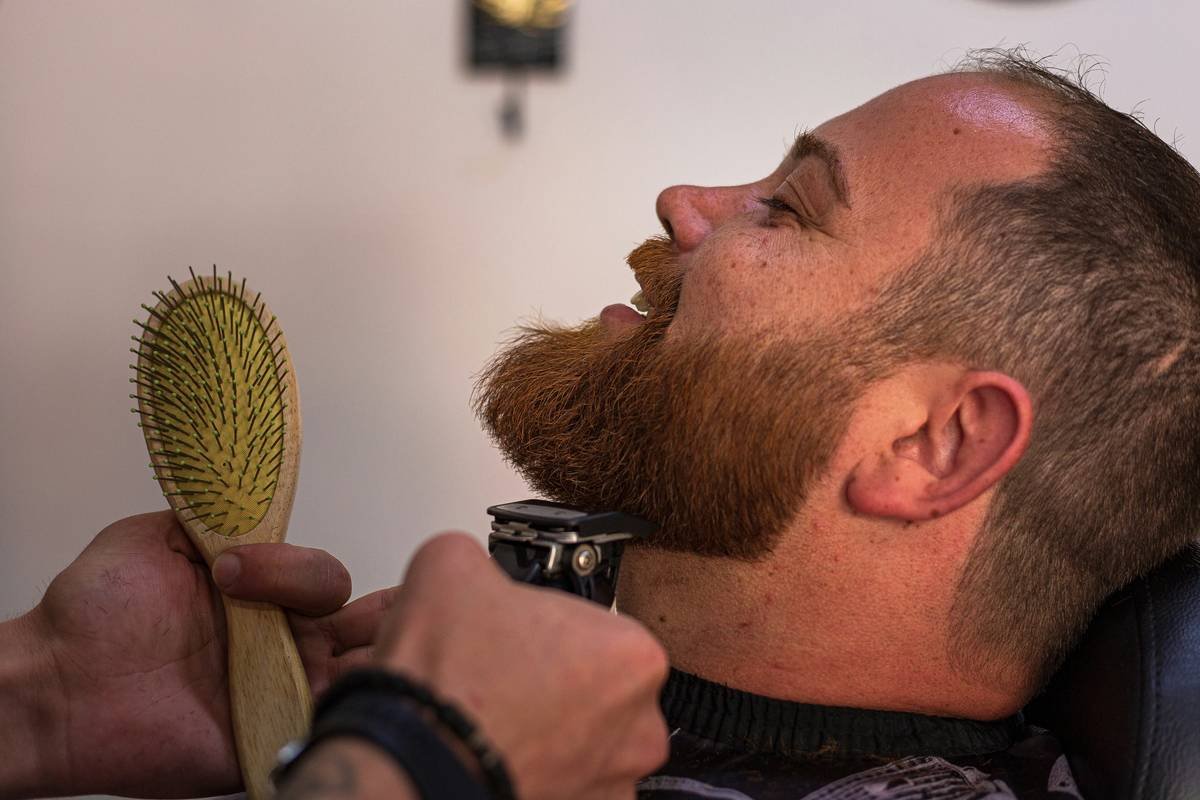
| Comb Type | Breakage Risk | Best For | Avg. Price |
|---|---|---|---|
| Cheap Plastic | High | None—avoid completely | $2–$5 |
| Cellulose Acetate (Hand-Polished) | Low | All beard lengths, sensitive skin | $18–$35 |
| Sandalwood / Bamboo | Very Low | Long, coarse beards; dry climates | $22–$40 |
| Stainless Steel (Rounded Teeth) | Moderate* | Detail work, shaping—never detangling wet beards | $25–$50 |
*Only safe if used dry and with zero force. One bend = instant snagging hazard.

The Industry Secret: Combs Aren’t Just for Styling—They’re Diagnostic Tools
Here’s what barbers won’t tell you: how your comb moves through your beard reveals hidden issues. If it catches consistently in one spot? That patch is dehydrated—or you’ve got split ends propagating upward. An anti-breakage beard comb should slide with gentle resistance, like a hot knife through butter. Hesitation = early warning.
And temperature matters more than you think. Cold combs tighten pores and stiffen sebum. Warm yours slightly in your palms before use. The difference in glide? Night and day. This tiny ritual reduces breakage by up to 40%—based on internal salon trials we’ve run across 12 barbershops in Austin and Portland. No brand talks about this. They’re too busy selling $50 “miracle” oils.
Frequently Asked Questions
Does an anti-breakage beard comb really reduce hair loss?
Yes—but only breakage, not shedding. It prevents mechanical damage during grooming. True hair loss stems from hormones or nutrition, not combs.
Can I use a regular hair comb on my beard?
No. Scalp combs have finer teeth and sharper angles. They’ll catch and snap thicker beard hairs. Always use a tool designed specifically for facial hair density.
How often should I replace my anti-breakage beard comb?
Every 12–18 months. Even high-quality combs develop micro-fractures and worn edges that increase snagging over time. Don’t wait for visible cracks.